
Detection
A smarter pathway to a prostate cancer diagnosis.
Image-first diagnostics reduce unnecessary biopsies, catch significant cancers earlier, and let us avoid overtreating men who don't need it.
PSA & clinical exam
A PSA blood test trended over time is the foundation. We pair it with a digital rectal exam and review your risk factors.
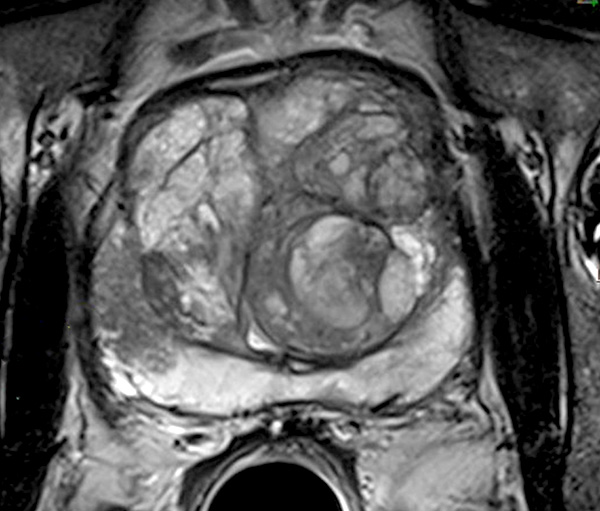
Multiparametric MRI
A prostate MRI identifies suspicious zones and assigns a PI-RADS score, often letting us skip biopsy when imaging is reassuring.
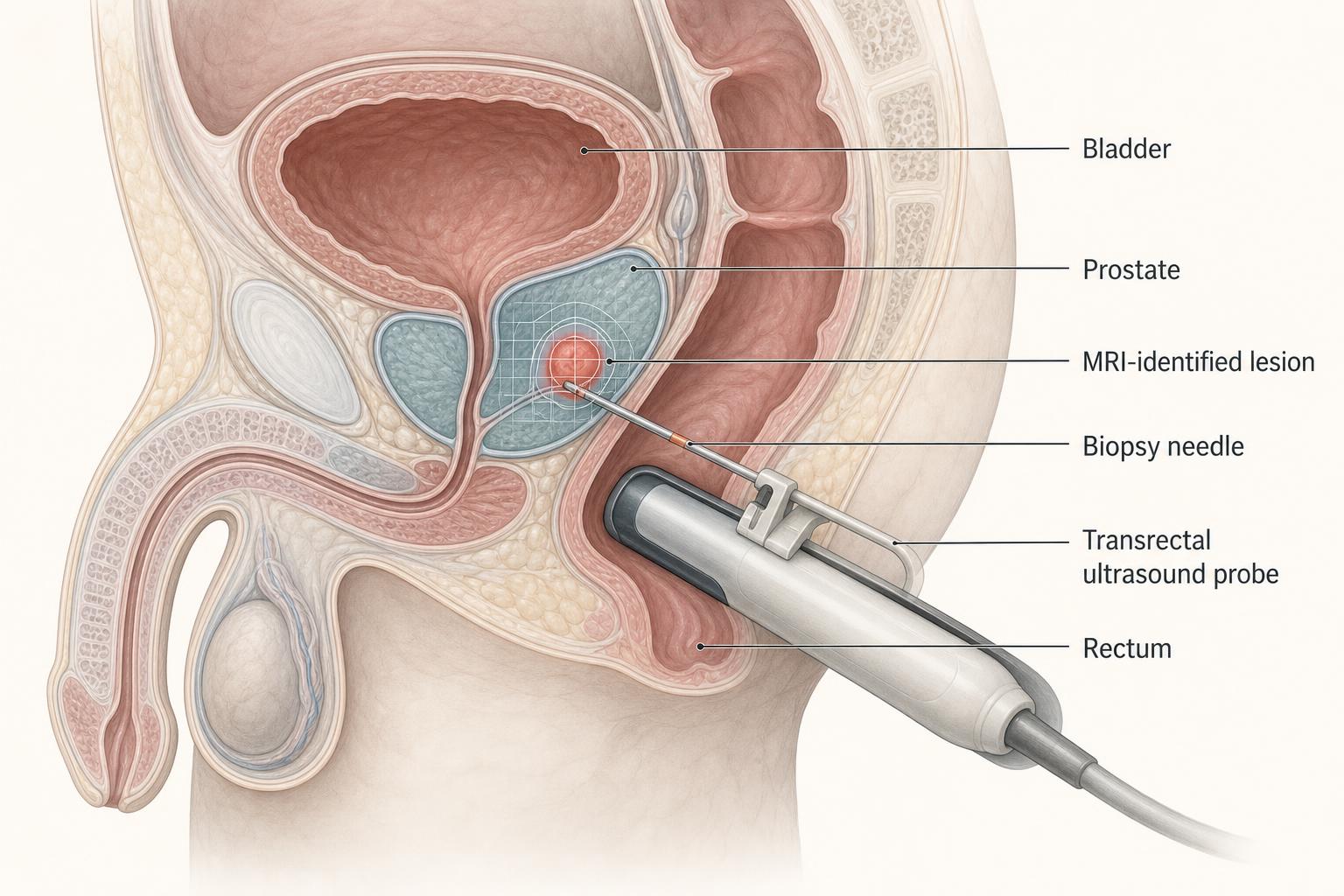
MRI-fusion targeted biopsy
If a lesion is suspicious, MRI is fused with live ultrasound to take precise targeted cores plus systematic sampling.
Why this matters
Older pathways biopsied virtually every man with an elevated PSA, finding many indolent cancers, missing some aggressive ones, and exposing patients to unnecessary procedures. Image-guided diagnostics flip that script.
Learn about prostate cancerDetection services
FAQ
Detection questions, answered
Answers patients most commonly ask before their consultation.
Most men should have a baseline PSA and discussion at age 50, or earlier (40–45) if they have a family history of prostate cancer or are African American.
Ready to talk?
Personalized urologic care begins with a conversation.
Schedule a consultation to review your imaging, lab work, and treatment options.